
0
4
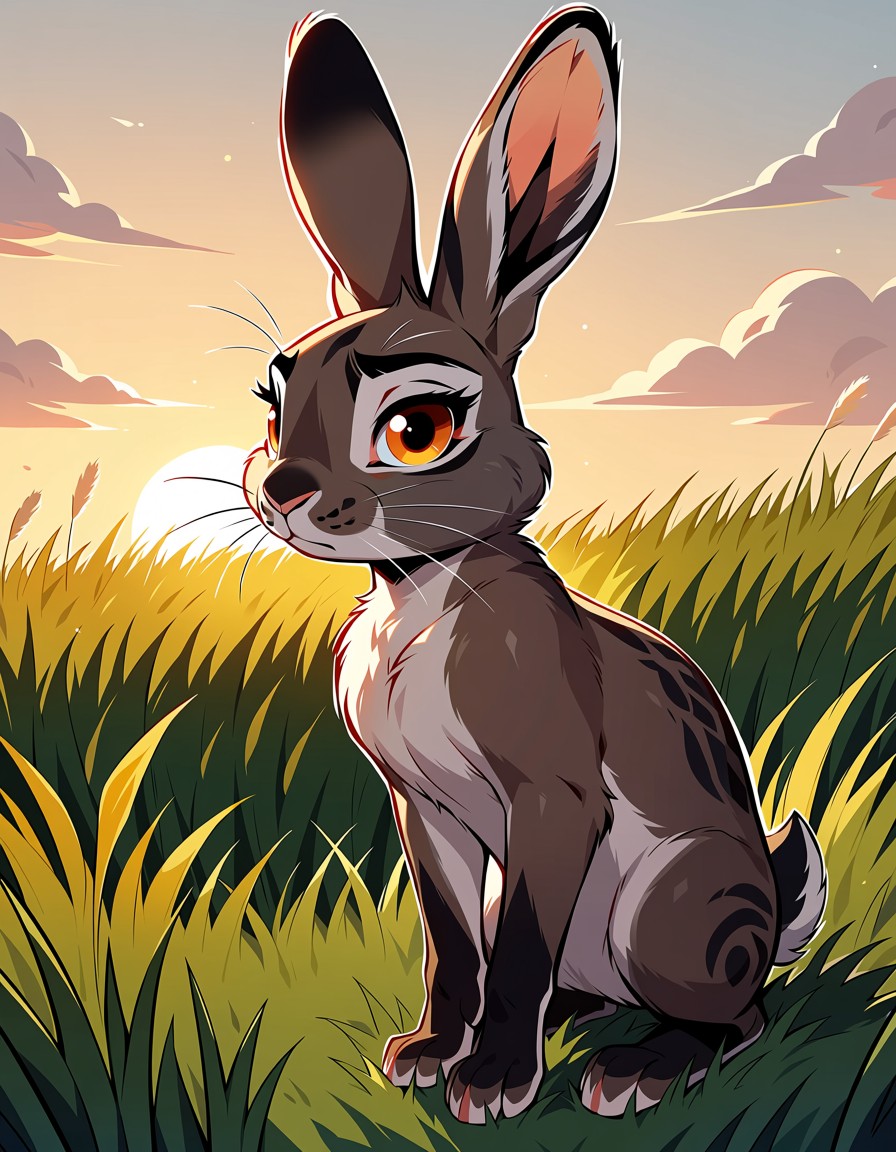
bunny
Prompt: masterpiece, best quality, Creating a compelling rabbit character is a delicate balancing act. Rabbits occupy a unique space in the collective imagination; they are simultaneously symbols of innocence, fertility, and spring, yet they are also prey animals defined by hyper-vigilance, anxiety, and surprising bursts of violence. Whether you are writing a whimsical children’s book, a dark fantasy novel, or designing a mascot for a game, understanding the duality of this species is key to moving beyond clichés. To create a rabbit character that resonates with readers, you must look past the fluffy exterior and delve into the biological, psychological, and symbolic realities of what it means to be a lagomorph. This guide will walk you through the intricate process of building a rabbit character from the ground up, ensuring they are three-dimensional, believable, and memorable. Beyond the Fluff The first step in character creation is visual design. While the "cute" factor is often the primary draw for rabbit characters, relying solely on big eyes and soft fur results in a generic design. To make your character distinct, you must consider specific anatomical variations and how they reflect the character’s history and lifestyle. In the real world, breed dictates temperament and physical capability. A Flemish Giant is not just a "big rabbit"; they are often described as "gentle giants," calm and docile due to their size. Conversely, a Belgian Hare is sleek, athletic, and high-strung, resembling a wild hare more than a domestic bunny. If your character is a warrior or an athlete, a muscular, lean build like a Checkered Giant or a Rex (known for dense, velvet-like fur) suggests agility and resilience. If your character is a scholar or a diplomat, a rounder, softer breed like a Holland Lop or a Mini Rex might better convey approachability and non-aggression. Don’t just pick "rabbit"; pick a type of rabbit that informs their silhouette.
Ears as Emotional Barometers: Rabbit ears are perhaps their most expressive feature, yet they are often animated incorrectly. Ears are not just antennas; they are thermoregulators and emotional signaling devices. A character with one ear flopped and one erect (like a lop hybrid) might have a permanent expression of quizzical skepticism. Ears pinned flat against the back signal extreme fear or aggression, while ears swiveled backward indicate listening without direct engagement. Consider giving your 2. Psychological Depth: The Prey Animal Mindset The most common mistake in writing rabbit characters is treating them like small dogs or cats. Rabbits are prey animals, and this fundamental biological reality shapes their psychology. Even if your character is a hero, their internal monologue should reflect the instincts of a creature Model: Anima by CircleStone Labs turbo-v.1.1
Метод выборки
ER-SDE
Планировщик
Simple
Шаги выборки
25
CFG Масштаб
4.5
Сид
1462030028
Размер холста
896x1152