
0
1
The Math Behind Small Decisions
A typical adult makes somewhere around 35,000 decisions a day, according to research frequently cited in behavioral studies, though the vast majority are so minor they never register as conscious choices. What separates a noticed decision from an ignored one usually comes down to stakes — real or perceived.
This is where perception often diverges sharply from reality. People are generally poor at estimating risk and reward when numbers get involved, especially small numbers repeated often. A one-in-a-thousand chance feels abstract and distant, while the same probability expressed as "extremely rare" feels reassuring in a way the raw figure doesn't. Marketers and platform designers understand this gap well, and it shows up across a wide range of consumer products, from insurance pricing to loyalty programs.
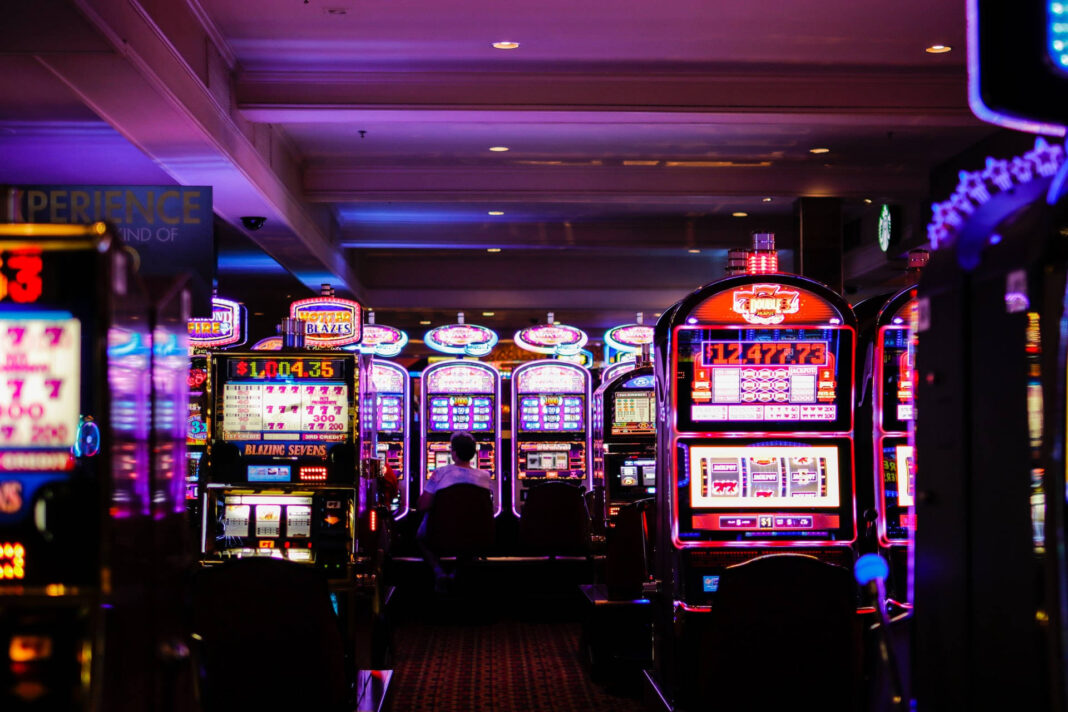
Lotteries are the clearest example most people encounter directly. National lottery odds are almost always worse than https://vancouverguardian.com/online-casino-ireland-2026/ one in a million, yet ticket sales remain strong across nearly every country that runs them, because the cost of participation is low enough that the actual probability stops mattering to the buyer. The same psychological mechanism extends to other low-stakes, high-variance activities — scratch cards, raffle entries, prize draws tied to purchases, and online casino platforms, all of which rely on a similar gap between perceived and actual odds.
None of this makes the underlying math complicated. It simply means people don't engage with probability the way probability actually works.
Framing changes behavior even when the numbers stay identical. Describing a medical procedure as having a 90 percent survival rate produces more willingness to proceed than describing the same procedure as having a 10 percent mortality rate, a finding replicated across dozens of studies in behavioral economics since the 1980s. This isn't a flaw unique to any one demographic